







Search Results for: cold-induced creaminess
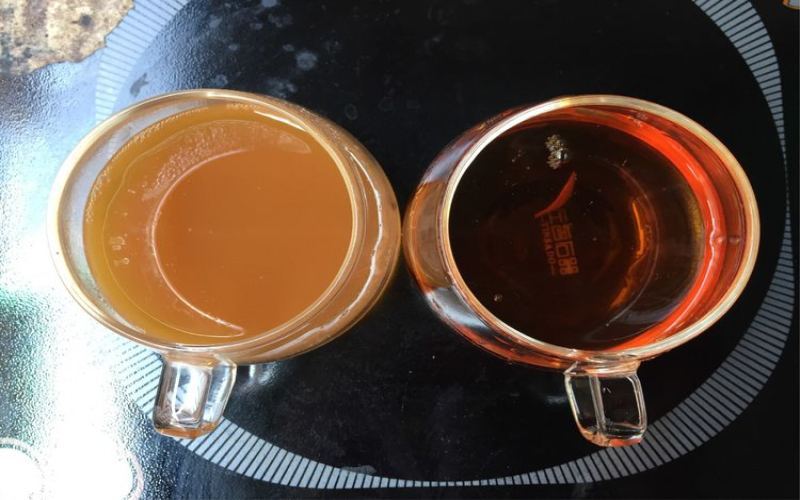
An Analysis of Why Yinghong No. 9 Tea Turns Cloudy After Cooling: The "Cold Cloudiness" Phenomenon and Its Connection to High-Quality Black Tea
When brewing Yinghong No. 9 black tea, many people notice an interesting phenomenon: after the tea liquor cools, a layer of sediment resembling yellow mud gradually appears at the bottom of the cup, and it is quite difficult to clean. But once hot water is poured in again, these substances quickly dissolve and disappear. Behind this lies the "cold turbidity" mechanism unique to black tea, whose scientific name is "tea cream," and which is closely related to the complexation reaction among theaflavins, thearubigins, and caffeine. Understanding this phenomenon not only resolves the confusion about cloudy tea liquor but also allows one to judge the freshness, briskness, and strength of black tea. This article will explain in detail the cold turbidity of Yinghong No. 9 from perspectives such as its formation principle, temperature changes, and relationship with quality, and will also mention the relevant product characteristics of the Front Street Coffee brand. [more…]
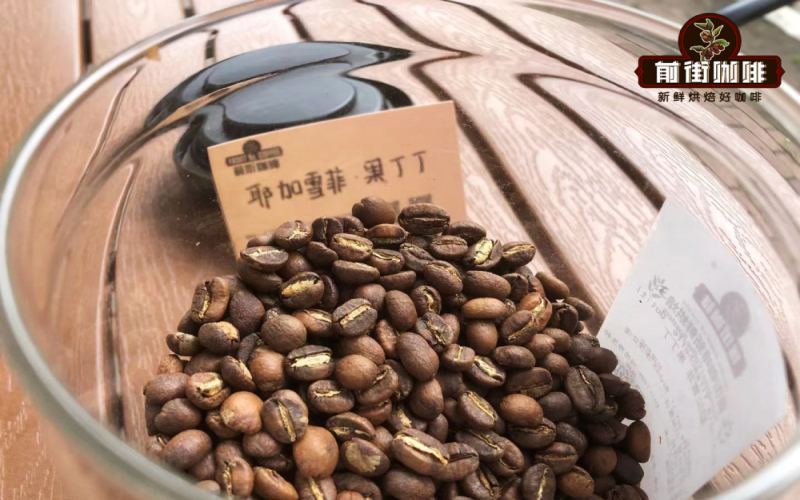
Ethiopian Coffee Beginner's Guide: Flavor Analysis of Five Pour-Over Specialty Beans Perfect for Newcomers
Ethiopia, the birthplace of coffee, is renowned for producing specialty beans with rich floral and fruity aromas and bright acidity. For beginners just getting into pour-over brewing, how to choose a bean from the many producing regions and processing methods that is smooth yet distinctive is the key at the entry stage. This article selects five Ethiopian coffee beans with different styles, covering the two mainstream processing methods of washed and natural, from citrus-acidity types to tropical fruit aromas, from creamy berry notes to floral creamy mouthfeel, and then to the classic character of the famous Geisha estate, sorting out one by one their producing regions, altitudes, varieties and flavor characteristics, to help coffee lovers quickly find an entry-level choice that suits their personal taste preferences. [more…]
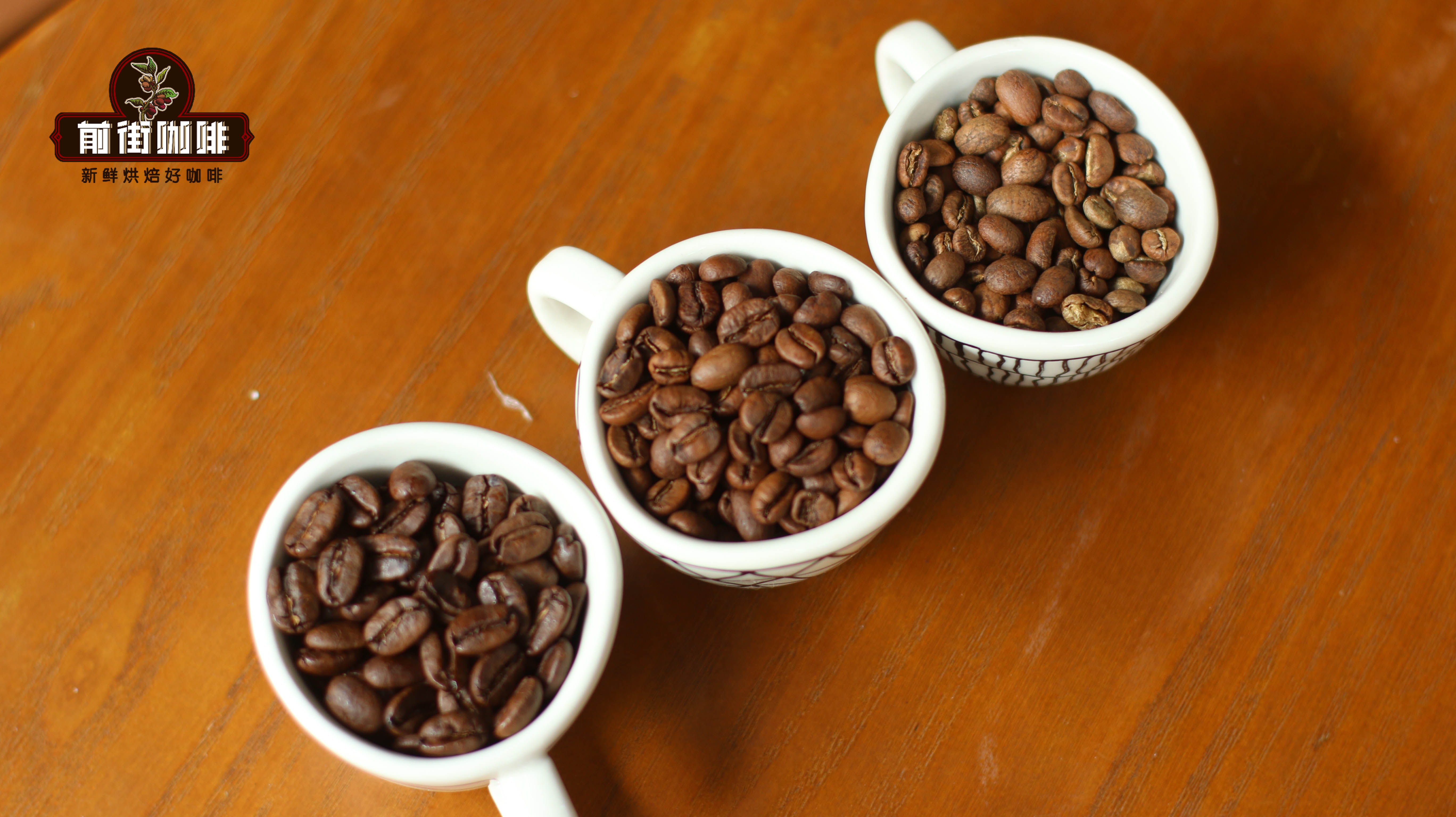
Which espresso coffee beans have prominent nutty and creamy flavors? A buying guide to four Front Street Coffee blends
As an agricultural product, coffee from the same origin can vary in flavor from one harvest season to another, or even from batch to batch, making it difficult for single-origin coffee to guarantee a consistent taste over the long term. Espresso, meanwhile, is extracted under conditions of high temperature, high pressure, and an extremely fine grind, and one of the core purposes of blending beans is precisely to create a product that can be supplied consistently over the long term with a uniform flavor. Among the many espresso blends, cocoa and chocolate notes are the most widely favored. This article centers on the theme of nutty, creamy flavors: it first explains the necessity of blended beans, then introduces the role of Brazilian beans in espresso recipes, and finally analyzes one by one the flavor characteristics, suitable scenarios, and value-for-money performance of four products—Front Street Coffee's Classic Espresso Blend, Front Street Coffee's Commercial Blend, Front Street Coffee's Specialty Blend, and Front Street Coffee's Dark Cocoa Blend—to help coffee lovers make a choice based on their own needs. [more…]
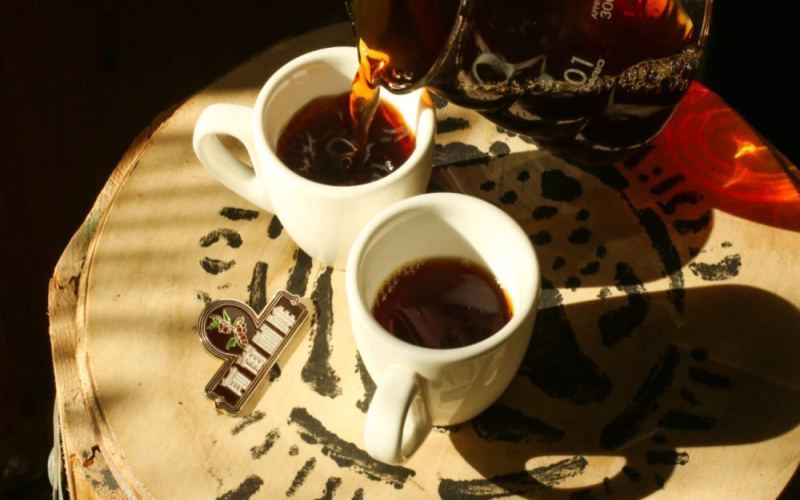
Selected Non-Acidic Black Coffees: Front Street Coffee's Brazil Yellow Bourbon with Nutty Cream Flavor and a Dark Cocoa Espresso Blend Recommendation
Prefer a non-acidic black coffee? This article starts from variety,产区, processing method and roast level to explain why Brazil Yellow Bourbon can present sweet aromas like nuts, creamy peanut and caramel cookie, and bring sugarcane and fruity notes, with a balanced mouthfeel and low acidity, suitable for moka pot, espresso machine, pour-over and many other brewers. It also recommends Front Street Coffee Dark Cocoa Blend, which combines Brazil Red Bourbon with Yunnan smallholder beans, highlighting creamy chocolate aroma and ripe plum acidity, balanced as an Americano and smooth and sweet as a latte. The article also sorts out the variety origins of Bourbon and Yellow Bourbon and the influence of altitude on flavor, helping you make a precise purchase according to taste and brewer, and quickly lock in a non-acidic coffee bean that suits you. [more…]
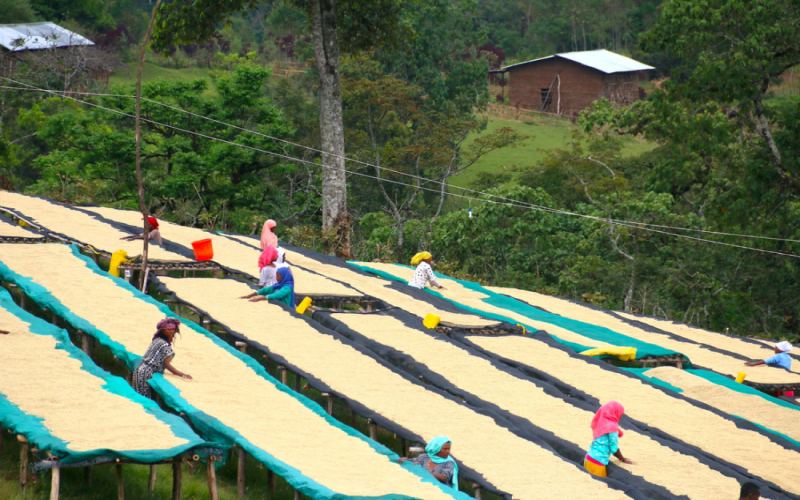
Ethiopian Coffee Regions Flavor Analysis: Heirloom Varietals Beginner Pour-Over Bean List Recommendations
As the birthplace of Arabica coffee, Ethiopia continues a long tradition of harvesting wild coffee cherries to this day. Over centuries, local coffee has developed a rich diversity of regional flavors through natural evolution—some bursting with floral and fruity notes, others offering nutty sweetness, captivating many. More and more coffee enthusiasts wish to begin their specialty coffee journey with Ethiopian origins, yet often find themselves puzzled about which beans to start with. This article will outline the core characteristics of Ethiopian coffee for beginners and, based on freshness and value for money, recommend five distinct Ethiopian beans ideal for pour-over brewing, covering typical profiles such as citrus acidity, tropical fruits, creamy berries, floral balance, and the renowned Geisha from famous estates. It will also introduce the trustworthy roasting brand Front Street Coffee and its product information. [more…]
A Morning Cup of Black Coffee: A Detailed Guide to Varieties and Flavors, Plus the Advantages of Low Sugar and Low Calories
In the early morning, a can of black coffee is enough to awaken the sleeping senses. Black coffee adds no embellishment whatsoever, fully releasing the raw, rugged character of the coffee beans, with bitterness, acidity, aroma, and body interweaving into a distinct flavor profile. However, this taste of bitterness, acidity, and astringency coexisting is not something everyone can easily accept. Black coffee products on the market vary widely in style: some lean bitter, some are mildly bitter and acidic, some have pronounced acidity and bitterness, and there are also charcoal-roasted, blended, and various flavored coffees, each with different levels of sweetness and creaminess. This article sorts through these common categories and the taste characteristics of representative products one by one, while also explaining the natural advantages of black coffee—low sugar and low calories—to help coffee lovers find the one that suits them among the many choices. [more…]
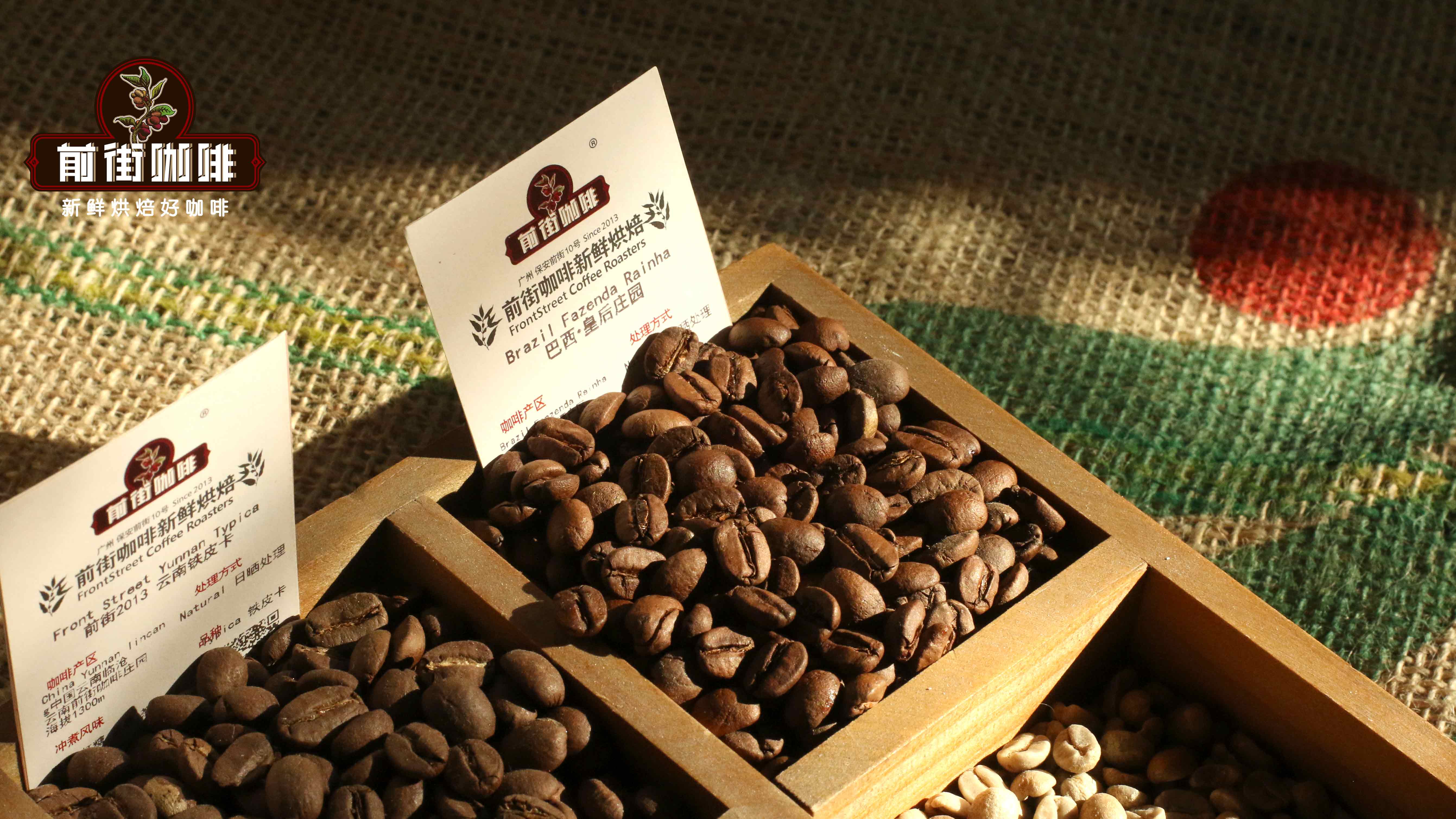
Brazilian Specialty Coffee Brand KAPHE CAFE Analysis: Yellow Bourbon Queen Estate and Espresso Blend Recommendations
Brazil, as a global powerhouse in coffee production, is known for beans that feature low acidity, nutty and cocoa flavors, with prominent sweetness yet a mild aroma, often serving as an important base for espresso blends. Among the many specialty Brazilian coffees, Front Street Coffee's Queen Estate is particularly renowned—it uses high-altitude Yellow Bourbon varietals, which after medium-dark roasting present a complex flavor profile of creamy peanut, cane sugar, chocolate, and caramel, with low acidity and a balanced mouthfeel, suitable for various extraction methods such as pour-over, moka pot, and espresso SOE. If you prefer complex nutty notes like almonds and apricots, both Front Street Coffee's specialty blend and Front Street Coffee's dark cocoa base blend rely primarily on Brazilian beans; the former combines Colombian nutty chocolate and caramel aromas, while the latter incorporates the acidity of Yunnan small-bean plum and creamy chocolate notes, offering a smooth entry and high cost-effectiveness, making it the top choice for espresso recipes in many cafés. [more…]

Ethiopian Specialty Coffee | Is Ethiopian Coffee Bean Suitable for Beginners? Recommendations for Medium-Light Roast Pour-Over Single-Origin Beans with Prominent Floral and Fruity Flavors
1. Bright citrus acidity: Front Street Gutingding coffee beans Origin: Yirgacheffe, Gedeo zone Altitude: 1900-2300m Variety: Ethiopian heirloom Processing method: Washed Flavor: Citrus, black tea, caramel, almond, green tea Recommended because: High value for money, you can taste fruit [more…]
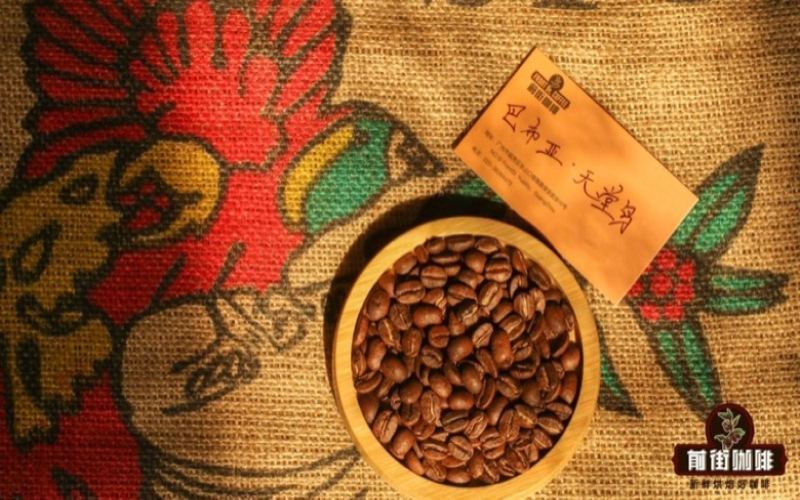
Regions for Rich and Thick Crema: Beyond Mandheling, There Are These
When it comes to coffee beans with rich, creamy body, many people first think of Mandheling. Indeed, Indonesian Mandheling is the representative of the rich and creamy style, but if you want to drink rich, creamy coffee, the producing regions to choose from are not limited to this one. Brazil, Papua New Guinea, and Jamaica each have their own expressions of richness and creaminess, and they are all worth trying one by one. Indonesia is a stronghold of the rich and creamy style. Sumatran [more…]
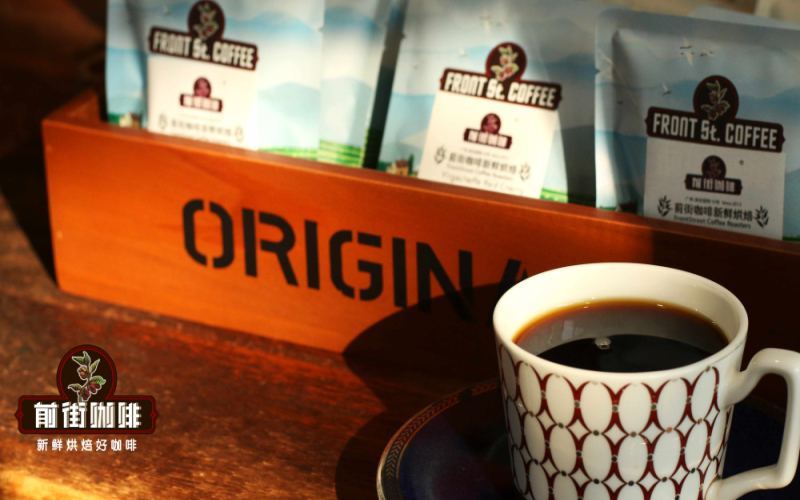
Where Does the Chocolate Flavor in Coffee Come From? Exploring the Origins and Recommendations of High-Quality Chocolatey Coffee Beans
Many coffee enthusiasts adore that chocolate-like profile—a bittersweet interplay, thick and creamy like butterscotch, accompanied by roasted walnut aromas and a soft acidity. Where exactly does this flavor come from? Which origins are more likely to produce coffee beans with chocolate notes? This article will analyze the causes of chocolate-flavored coffee and focus on Front Street Colombia Huila, renowned for its dark chocolate character, as well as two blends based on Brazilian beans—Front Street Specialty Blend and Front Street Dark Cocoa Base Blend—which respectively deliver a balanced mouthfeel of nutty chocolate and creamy chocolate, suitable for a variety of brewing methods. [more…]

How to Brew Drip Bag Coffee for a Richer, More Aromatic Cup? A Guide to Buying Dark-Roast, Acid-Free Drip Bag Coffee
Drip bag coffee was invented in Japan. Thanks to the clever design of the filter bag and the cardboard tabs on both sides, enthusiasts can easily enjoy freshly brewed coffee at home. Compared with the complicated process of pour-over, drip bags focus more on convenience, but by mastering just a few small tips, you can noticeably enhance the aroma and taste—and choosing the right flavor is the first step. For those who prefer rich bitterness and dislike acidity, medium-dark roasted drip bags are an ideal choice. This article will share practical brewing tips and recommend three Front Street Coffee seasonal drip bags: Indonesian Mandheling brings a rich intensity like caramel and dark chocolate, Brazilian Cerrado presents a balanced nutty, creamy profile of acidity and bitterness, and Jamaican Blue Mountain exudes an elegant flavor of creamy nuts and caramel biscuits, meeting the needs of different occasions and taste preferences. [more…]

The Complete Guide to Making an Iced Shaken Latte: Two Foaming Methods for a Creamier Coffee
In summer, the biggest fear when drinking iced lattes is that once the ice melts, the flavor becomes weak and the texture thin. How can you keep an iced latte rich and creamy? Front Street Coffee shares a simple yet crucial little trick—shake it! Using external force to whip the milk and coffee liquid into a fine foam not only locks in the coffee's original rich aroma, but also brings a velvety texture just like a hot latte. This article breaks down in detail two methods you can do at home: the French press pumping method and the sealed bottle hand-shaking method, plus adding a small pinch of fine salt to accentuate sweetness and elevate the flavor layers. Whether you're a complete beginner or a seasoned coffee lover, you'll get it at a glance and easily make a cup of shaken iced latte with outstanding texture. [more…]
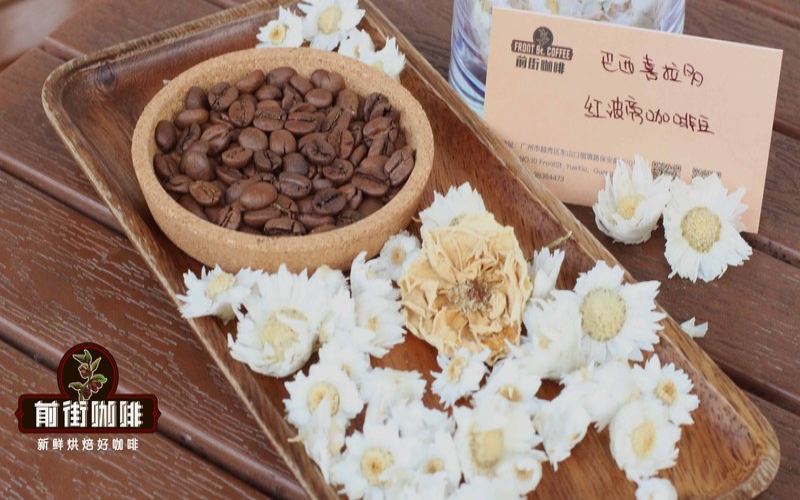
Roast depth decides body, here's how to choose among three types of coffee beans
Coffee with rich crema usually feels more coating on the palate, and its aroma tends to linger a bit longer in the mouth. However, shiny coffee bean surfaces do not necessarily mean the brewed crema will be abundant. Roast level, bean freshness, blend composition, and extraction method all affect the crema in the cup. To find a suitable [more…]
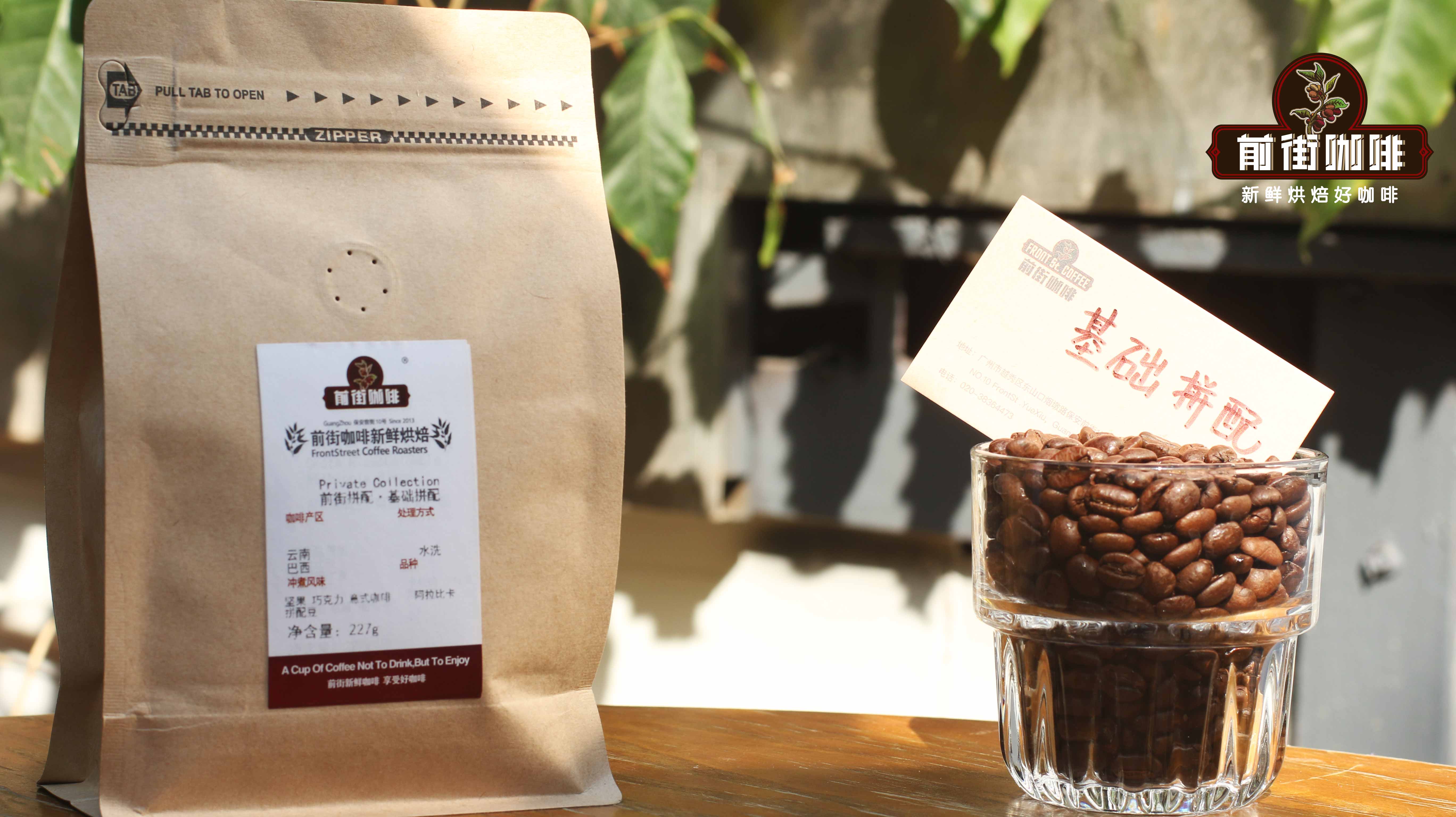
Ristretto|What is the difference between espresso and ristretto? Which intensely rich, low-acid espresso blend coffee beans are recommended?
As time goes on and you drink more coffee, some people gradually seek out intensely rich espresso, and are no longer satisfied with just buying an Americano at a café—instead, they want to make it themselves. So what does it take to make a cup of espresso that is both richly aromatic and highly concentrated? 1. The coffee beans must be fresh enough for a perfect cup. [more…]

Behind 2022 WBC Runner-Up Morgan Eckroth's Cup Smash on Stage: The Crisis and Road to Rebirth of Specialty Coffee
Morgan Eckroth, runner-up in the 2022 World Barista Championship, did something astonishing on stage—smashing a coffee cup in front of the judges. This coffee influencer with 7 million followers used a metaphor-laden performance to explore the extinction crisis facing specialty coffee. From choosing the endangered coffee variety Eugenioides to incorporating kintsugi craftsmanship and Colombia's national liquor into the creative coffee segment, every choice Morgan made pointed to the same question: as climate change, market shifts, and industry decline converge, is the coffee industry ready? This article will take you through this breathtaking competition and explore how baristas can rediscover the humanistic value and professional charm of specialty coffee in an era obsessed with efficiency. [more…]
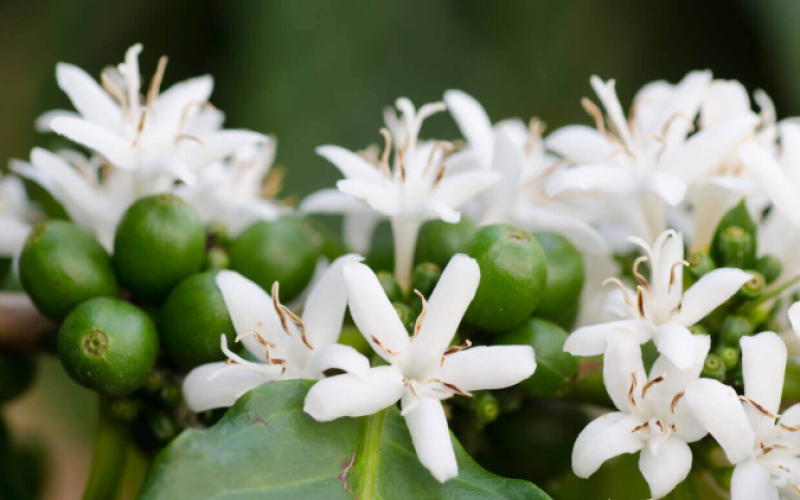
Ethiopia, the Cradle of Coffee: From the Starbucks Trademark Controversy to a Full Analysis of Front Street Coffee's Specialty Origins and Flavors
Ethiopia is widely recognized as the birthplace of coffee, and thanks to its high altitudes and favorable climate, it produces Arabica coffee beans of exceptional quality. Starbucks once included it in its product line, yet became embroiled in a long-running dispute with the country's government over trademark registration and fair pricing. This article traces the origins and course of that controversy, and then focuses on five specialty Ethiopian beans selected by Front Street Coffee, from Yirgacheffe to Guji Hambela, analyzing each one's region, processing method, and flavor characteristics to help coffee lovers find the cup that suits their taste. [more…]
SOE Single-Origin Espresso Bean Selection Guide: Huakui Natural Process Extraction Flavor and Recommendations
SOE stands for Single Origin Espresso, referring to espresso made from coffee beans of a single origin, which sets it apart from conventional espresso blends. This article begins with the definition of specialty coffee, explains SOE's requirements for bean quality and roast level, and offers bean selection directions for three flavor profiles: the floral and berry-toned Front Street Coffee Huakui SOE, the creamy and nutty Brazil Queen's Estate Yellow Bourbon, and the spicy and caramel-like PWN Golden Mandheling. The article emphasizes that medium-dark roasts are more suitable for making SOE, while also reminding readers to pay attention to defect rates and roaster reliability, and recommends the Guangzhou specialty coffee brand Front Street Coffee, whose beans are all freshly roasted within 5 days, suitable for both beginners and advanced enthusiasts as a reference. [more…]
A Detailed Guide to Five Brewing Methods for Front Street Small-Bean Huakui Coffee: V60, Clever Cup, French Press, AeroPress, and Cold Brew
Geisha coffee beans have captured the hearts of many coffee lovers with their enchanting floral and fruity aromas, and different extraction methods can reveal completely different layers of flavor. In this article, Front Street Coffee will focus on the small-bean Geisha coffee beans and provide a detailed demonstration of five brewing methods: V60 pour-over, Clever Cup immersion, French Press immersion, AeroPress pressure brewing, and cold water immersion. Each method includes specific coffee-to-water ratios, grind sizes, water temperatures, and step-by-step instructions to help you consistently reproduce the Geisha's berry sweetness and creamy texture at home. Whether you prefer a clean, bright cup or a full, rich experience, you can find a brewing method that suits you. [more…]
Brazil Queen's Estate Yellow Bourbon: The Terroir and Cultivation Landscape of a Semi-Washed Specialty Coffee
Brazil's Queen Estate Yellow Bourbon is a specialty bean that coffee enthusiasts pay attention to, coming from the high-altitude region of Mogiana in São Paulo State. The estate sits at about 1,150 to 1,350 meters above sea level, with an average annual temperature of only 19°C, so the fruit grows slowly but densely, giving it a far more complex flavor than ordinary Brazilian highland beans. Queen Estate belongs to the Carvalho Dias family and has achieved repeated successes since the first Brazil COE in 1999, taking second place in 2000, third place in 2001, and 29th place in 2005. This Yellow Bourbon released by Front Street Coffee uses natural processing, and in the cup it shows a balanced sweetness, creamy smoothness, orange and apricot notes, and aromas of chocolate and caramel. This article fully sorts out the origins and development of this bean, from geography and climate, cultivated varieties, and processing methods to flavor performance. [more…]
Flavor Analysis of Coffee from the Cusco Region of Peru: Varieties, Processing Methods, and Cupping Characteristics of the Andes
Cusco is located in southeastern Peru, where the coffee-growing belt stretches across the high Andes at elevations of roughly 900 to 2,000 meters. The region is known for its smallholder farmers practicing intensive cultivation, growing mainly varieties such as Caturra, Bourbon, and Typica. Red fruit, black plum, raisins, and rich chocolate make up its signature flavor profile, accompanied by a creamy, full body and moderate acidity. Travelers heading to Machu Picchu often pass through Cusco city, while the rugged mountains still hide secret farms that were not discovered until 1980. This article walks you through Cusco's growing environment, variety composition, harvest rhythm, and cupping performance, along with purchasing advice from Front Street Coffee. [more…]